Best for Adhesives & Glue, Fasteners, Paint Accessories
Open mobile app

RIZTECHEveryday 7:00 AM - 6:00 PM
Hello! Need help? Don’t worry, I’ve got you. Tell me what’s up, and I’ll be happy to assist 💁
Short answer: Sanded grout is used for wider tile joints, high‑traffic floors, and durable, long‑lasting installations.
Why: It contains sand, which gives it strength, reduces shrinkage, and prevents cracking in larger joints.
Sanded grout is the standard choice for floors because it can handle:
Heavy foot traffic
Movement and vibration
Larger grout joints (⅛" to 1½")
Wear and abrasion
Examples:
Kitchen floors
Bathroom floors
Hallways
Commercial spaces (stores, restaurants)
If wall tile joints are ⅛ inch or wider, sanded grout is preferred because it:
Holds shape better
Doesn’t shrink
Stays crack‑resistant
Examples:
Subway tile with wide joints
Decorative stone walls
Shower walls (if joints are wide)
Sanded grout works well with:
Porcelain
Ceramic
Many natural stones (slate, travertine, granite)
Because it fills deep, uneven joints more effectively.
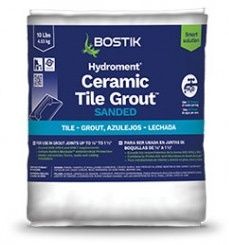
The Bostik grout you have open is rated for indoor and outdoor use .
Outdoor uses:
Patios
Walkways
Exterior steps
Outdoor kitchens
It resists weather, temperature changes, and moisture.
This Bostik grout includes Blockade® antimicrobial protection , making it suitable for:
Showers
Bathroom floors
Kitchen backsplashes
Laundry rooms
It helps prevent mold and mildew.
Because it’s high‑strength, cement‑based, and fast‑curing, it’s ideal for:
Stores
Restaurants
Offices
Schools
Lobbies
It reduces callbacks and maintenance.
Even though sanded grout is heavier, this Bostik formula is designed for floors, walls, and ceilings .
Perfect for your staff:
Floors (best choice)
Wide joints (⅛" to 1½")
Porcelain, ceramic, natural stone
Indoor & outdoor
High‑traffic areas
Wet areas (mold‑resistant)
Best for Adhesives & Glue, Fasteners, Paint Accessories
Hello! Need help? Don’t worry, I’ve got you. Tell me what’s up, and I’ll be happy to assist 💁