Best for Adhesives & Glue, Fasteners, Paint Accessories
Open mobile app

RIZTECHEveryday 7:00 AM - 6:00 PM
Hello! Need help? Don’t worry, I’ve got you. Tell me what’s up, and I’ll be happy to assist 💁
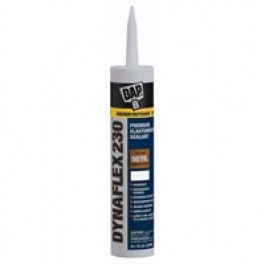
Elastomeric sealants offer superior flexibility and durability for demanding applications, while siliconized acrylic latex caulks are easier to apply and paint, making them ideal for interior finishing work.
Here’s a detailed breakdown of their differences:
Composition & Chemistry
️ Performance & Use Cases
• Elastomeric Sealant:
• Best for exterior joints, expansion gaps, and high-movement areas
• Excellent adhesion to masonry, concrete, stucco, and siding
• Withstands UV, temperature swings, and moisture
• Ideal for commercial and structural applications
• Siliconized Acrylic Latex Caulk:
• Best for interior trim, baseboards, crown molding, and drywall
• Easier to tool and clean up with water
• Paintable and low odor
• Suitable for low-movement joints and aesthetic finishes
Durability & Longevity
• Elastomeric sealants maintain flexibility for years, resisting cracking and shrinkage even in harsh conditions.
• Siliconized acrylic caulks may shrink or crack over time in high-movement or exterior environments.
⚠️ Application Tips
• Use elastomeric where movement, weather, or longevity are critical.
• Use siliconized acrylic latex where paintability and ease of use matter more.
Let me know your specific application—interior trim, exterior siding, wet areas, etc.—and I’ll help you choose the best product or brand for the job.
Best for Adhesives & Glue, Fasteners, Paint Accessories
Hello! Need help? Don’t worry, I’ve got you. Tell me what’s up, and I’ll be happy to assist 💁